The Short Answer: Yes, Quality Smart Locks Are Safe
Modern smart locks from reputable brands (Yale, Aqara, ULTRALOQ) are at least as secure as traditional deadbolts — and in many ways, more secure. Here's why, and what to watch out for.
Concern #1: Can Smart Locks Be Hacked?
The reality: Hacking a quality smart lock is extremely difficult and impractical for burglars.
Smart locks use AES-128 or AES-256 encryption — the same standard used by banks and military. Cracking this encryption with current technology would take millions of years.
Burglars overwhelmingly prefer physical methods — kicking doors, breaking windows, or simply trying unlocked doors. No Australian police report has documented a burglary where a smart lock was electronically hacked.
What to look for: - BHMA Grade 1 or Grade 2 certification - AES-128 encryption minimum - Auto-lock feature (the #1 security benefit — your door always locks behind you) - Two-factor authentication option
Concern #2: What If the Battery Dies?
Every smart lock on our recommended list includes a physical key backup. You cannot be permanently locked out.
Additionally: - Smart locks give weeks of low-battery warnings via push notifications - Most run on standard AA batteries lasting 6-12 months - The Eufy Smart Lock Touch has an emergency USB-C port — connect a portable charger to power it instantly - The ULTRALOQ Bolt SE also provides emergency USB power
Our advice: Change batteries proactively when you get the first low-battery alert. Keep a spare key hidden as a last resort.
Concern #3: What About Australian Home Insurance?
This is a common worry, but generally unfounded:
- Most Australian home insurers don't distinguish between traditional and smart locks as long as the door was locked at the time of a break-in
- Smart locks often improve your security posture because auto-lock means your door is always locked
- Some insurers may even offer discounts for smart security systems
Our advice: Check your specific policy and mention your smart lock to your insurer. Get their confirmation in writing if you want peace of mind.
Concern #4: What About Power Outages?
Smart locks run on their own batteries, completely independent of your home's electricity. A power outage doesn't affect your lock at all.
However: - Wi-Fi features (remote locking) will stop during an outage since your router needs power - Physical keypad, fingerprint, and physical key access all work normally - Bluetooth access works from close range even without Wi-Fi
Concern #5: Privacy — Who Has Access?
Smart locks give you more control over access, not less:
- Access logs show exactly who unlocked the door and when
- Temporary codes let you give tradespeople time-limited access
- Revoke access instantly — no need to change locks if a housemate moves out
- No physical keys to lose or copy without your knowledge
With a traditional lock, anyone who copies your key has permanent, untrackable access. Smart locks solve this completely.
The Real Security Benefits
Smart locks actually improve your security:
1. Auto-lock — Door always locks behind you (most Australians leave doors unlocked accidentally) 2. Access logs — Know exactly who entered and when 3. Remote monitoring — Check lock status from anywhere 4. No key hiding — No spare keys under doormats for burglars to find 5. Instant access revocation — Change codes in seconds, no locksmith needed
Which Smart Locks We Recommend
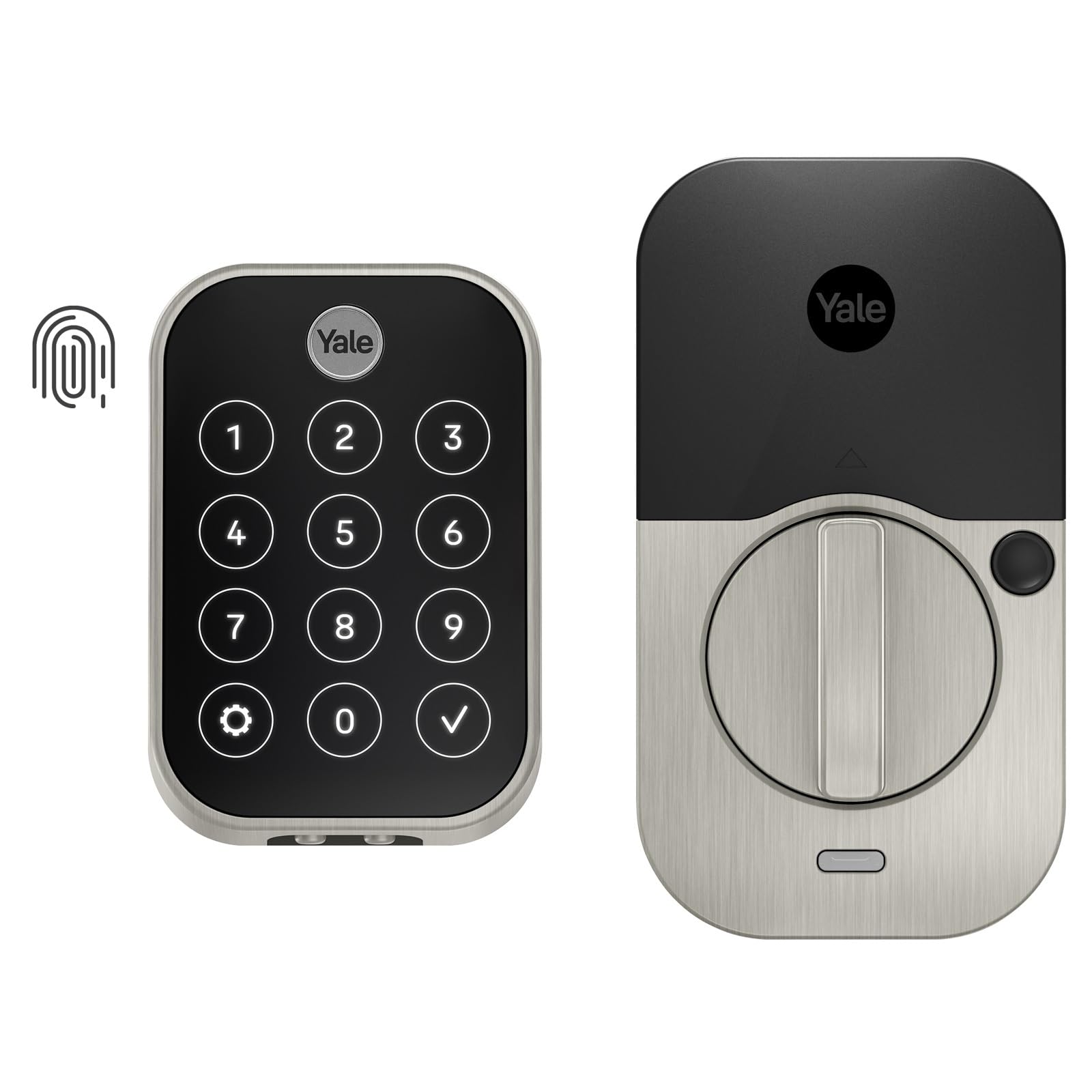
For maximum security, see our best smart locks in Australia ranking. Our top pick is the Yale Assure Lock 2 for its BHMA certification, build quality, and wide compatibility.
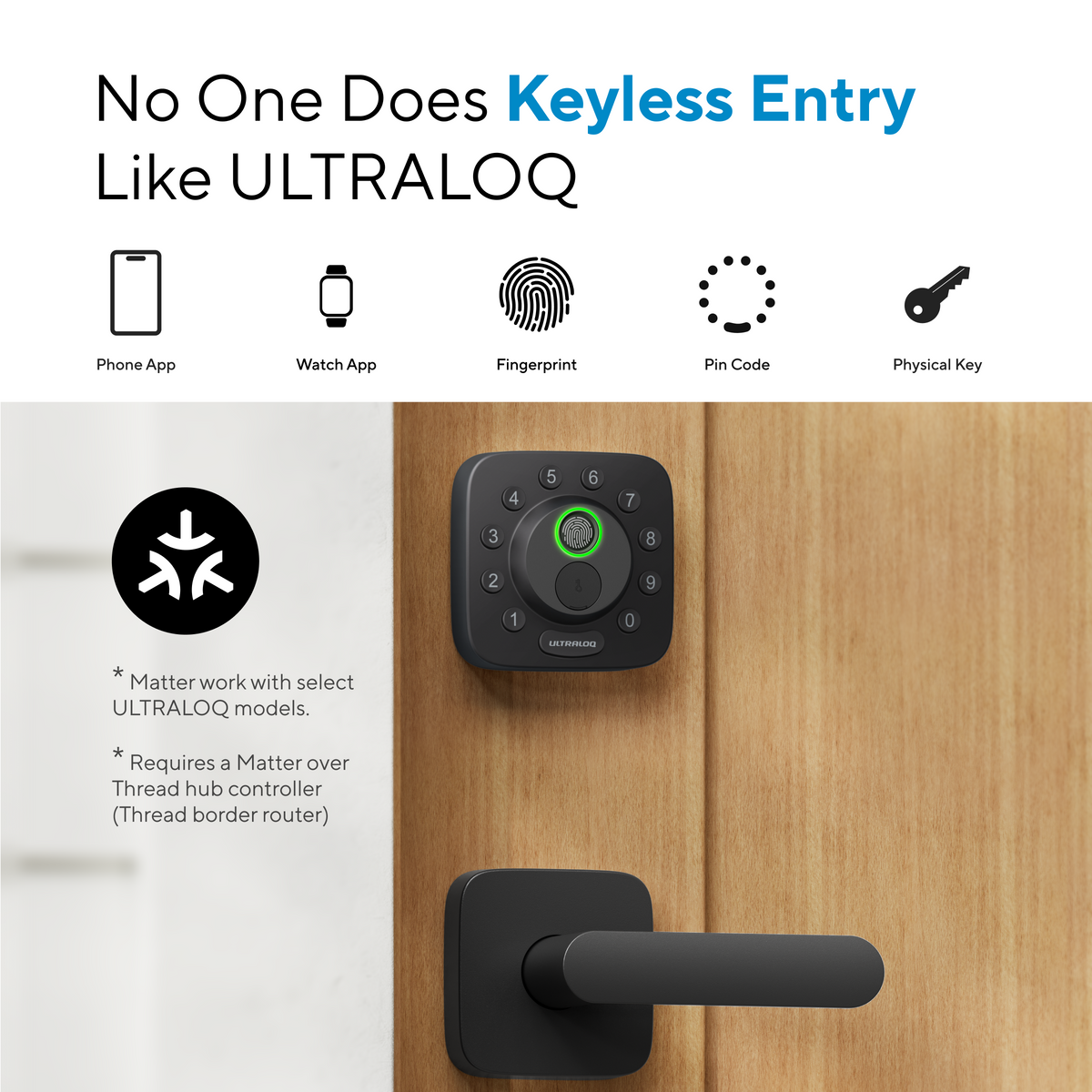
For the best value with modern security standards, the ULTRALOQ Bolt SE ($140) offers Matter Over Thread support and 7 unlock methods including fingerprint.
Bottom Line
Smart locks from reputable brands are safe, practical, and in many ways more secure than traditional deadbolts. The convenience of auto-locking alone makes your home more secure than a traditional lock that you might forget to lock. Start with a quality brand, keep batteries fresh, and keep your physical backup key somewhere safe.