Why Go Smart in 2026?
Smart home technology has matured dramatically. Devices are more affordable, more reliable, and easier to set up than ever. In Australia, you can start a smart home for under $200 and expand gradually.
The key benefits for Australian homes: - Energy savings — smart lights and plugs help reduce electricity costs (important with AU energy prices) - Security — monitor your home from anywhere with smart cameras - Convenience — voice control, automation, and remote access - Home value — smart features are increasingly valued by Australian buyers
Step 1: Choose Your Ecosystem
The first decision is which voice assistant will be the brain of your smart home:
Amazon Alexa (Recommended for most Australians) - Widest device compatibility in Australia - Cheapest entry point — Echo Pop starts at $79 - Best range of Alexa-compatible devices on Amazon AU - Excellent routines and automation
Google Home - Best voice recognition and natural language - Strong integration with Google services (Calendar, Maps) - Good range of compatible devices - Chromecast integration for TV control
Apple HomeKit - Best for existing iPhone/iPad/Mac users - Strongest privacy — data stays local where possible - Smaller device selection but growing with Matter - Premium price point
Our recommendation: Start with Alexa if you have no preference. It supports the most devices, has the cheapest speakers, and offers the most flexibility.
Step 2: Start With These Three Devices
Don't buy everything at once. Start with these three categories:
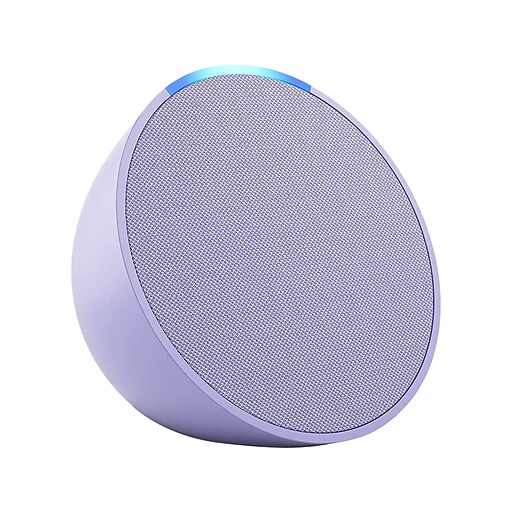
1. Smart Speaker — Your Hub ($79-$149) The smart speaker is your control centre. We recommend the **Amazon Echo Pop ($79)** or **Echo Dot ($99)** to start. Place it in your most-used room.
2. Smart Light Bulbs — Instant Impact ($16-$46) Smart bulbs are the most noticeable upgrade. The **TP-Link Tapo L530E ($16)** is the cheapest way to try smart lighting — no hub needed, 16 million colours, and it works with Alexa and Google.
3. Smart Plug — Make Anything Smart ($19-$37) Smart plugs turn any appliance into a smart device. Use them for lamps, fans, coffee machines, or heaters. Schedule them on/off automatically.
Step 3: Set Up Automations
Once you have your first devices, create simple automations:
- "Good morning" routine — Lights on, weather update, morning news
- "Goodnight" routine — All lights off, check locks, set alarm
- Motion-triggered — Lights turn on when you enter a room
- Scheduled — Porch light on at sunset, off at sunrise
Step 4: Expand Gradually
Once you're comfortable, consider adding:
- Security cameras for peace of mind (from $34 for the Tapo TC70)
- Robot vacuum to automate floor cleaning (from $399 for the Dreame D20 Plus)
- Smart lock for keyless entry ($140-$459)
- Video doorbell to see who's at the door ($149 for Ring)
Budget Guide for Australian Smart Homes
| Budget | What You Get |
|---|---|
| Under $200 | Echo Pop + 2 smart bulbs + smart plug |
| $200-$500 | Echo Dot + 4 smart bulbs + indoor camera + 2 plugs |
| $500-$1000 | Echo Studio + smart lights throughout + outdoor camera + video doorbell |
| $1000+ | Full system: speakers, cameras, robot vacuum, smart locks, lighting |
Common Mistakes to Avoid
1. Buying across ecosystems — Stick to one voice assistant to keep things simple 2. Buying a hub too early — Start with Wi-Fi devices that need no hub 3. Overcomplicating automations — Start with 2-3 simple routines 4. Ignoring your internet — Smart homes need reliable Wi-Fi. Consider a mesh system if you have dead spots
Australian-Specific Tips
- NBN compatibility — All smart home devices work fine on NBN. Most only need 1-5 Mbps each
- Power points — Australian smart plugs use Type I plugs. Make sure you buy AU-specific models
- Weather — Choose IP65+ rated cameras for outdoor use. Australian UV and heat can damage cheaper devices
- Where to buy — Amazon Australia, JB Hi-Fi, Harvey Norman, and Officeworks all stock smart home devices. Compare prices across retailers
Ready to start? Check our best smart speakers for your control hub, then add smart lights for instant impact.