The Short Answer
If you're building a new smart home in 2026, prioritise Matter-compatible devices where available. For everything else, Wi-Fi devices are the simplest choice — they connect directly to your router with no extra hub.
What Are Smart Home Protocols?
A protocol is simply the "language" devices use to communicate. Different protocols have different strengths:
Wi-Fi — The Simple Choice **Best for:** Beginners, small-to-medium setups (under 30 devices)
- ✅ Connects directly to your existing router — no hub needed
- ✅ Easy setup — just enter your Wi-Fi password
- ✅ Most affordable devices
- ❌ Can slow down your network with many devices
- ❌ Higher battery drain for battery-powered devices
Popular Wi-Fi devices in Australia: TP-Link Tapo bulbs, smart plugs, most security cameras
Zigbee — The Reliable Workhorse **Best for:** Larger homes, 30+ devices, Philips Hue users
- ✅ Very low power consumption — great for sensors and switches
- ✅ Mesh networking — devices relay signals to extend range
- ✅ Doesn't clog your Wi-Fi network
- ❌ Requires a hub (Hue Bridge, Echo with Zigbee, SmartThings)
- ❌ Different manufacturers sometimes have compatibility issues
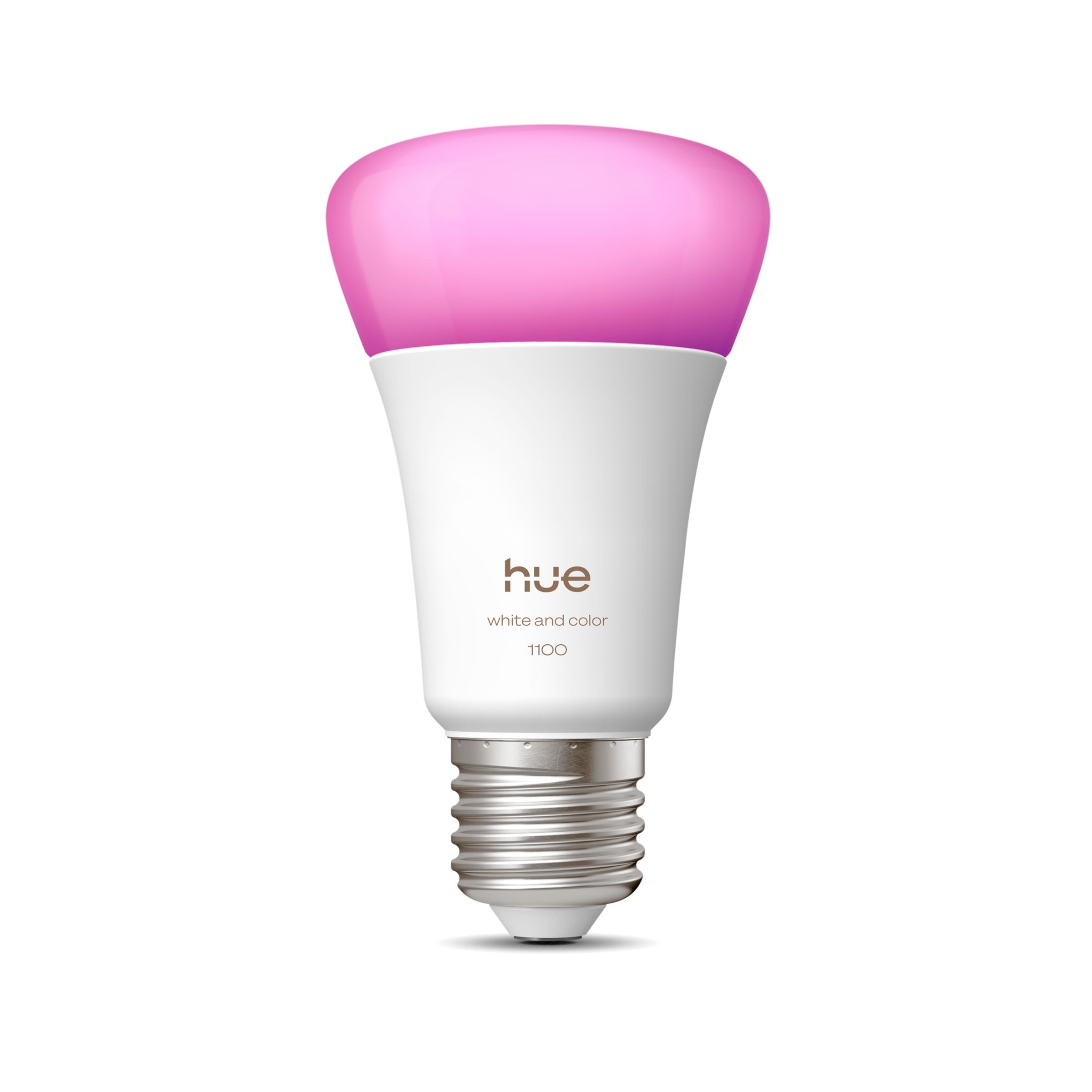
Popular Zigbee devices: Philips Hue lights, Aqara sensors and locks, IKEA TRÅDFRI
Matter — The Future Standard **Best for:** Anyone buying new devices in 2026
Matter is the industry's answer to the fragmentation problem. Backed by Apple, Google, Amazon, and Samsung, it's a universal standard that works across all platforms.
- ✅ Universal compatibility — works with Alexa, Google, HomeKit, SmartThings
- ✅ Local control — works even if the cloud goes down
- ✅ Can run over Wi-Fi or Thread
- ✅ Buy once, works everywhere
- ❌ Still relatively new — not all device types support it yet
- ❌ Some advanced features may still need manufacturer apps
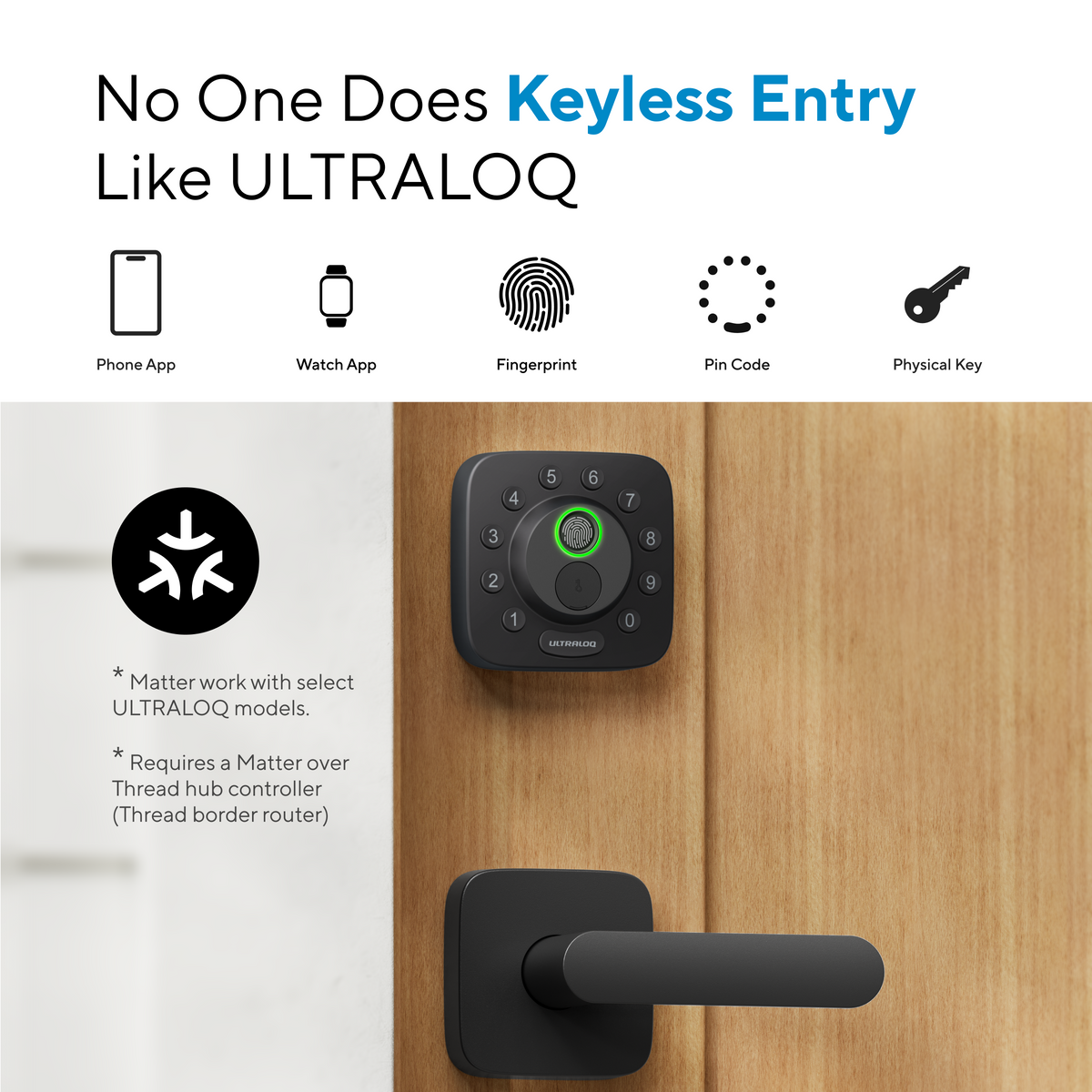
Matter devices available in Australia: ULTRALOQ Bolt SE smart lock, newer Nanoleaf lights, Eve accessories, some Aqara devices
Thread — Matter's Best Friend **Best for:** Battery-powered devices, used alongside Matter
Thread is a mesh networking protocol (like Zigbee) that's designed to work with Matter. Think of Matter as the language and Thread as the delivery method.
- ✅ Low power — excellent for battery devices
- ✅ Mesh networking — devices extend each other's range
- ✅ Built into newer Apple TVs, HomePods, and some Echo devices
- ❌ Fewer devices available compared to Wi-Fi
Bluetooth — Limited Use **Best for:** Simple, single-room devices
- ✅ Very simple setup
- ❌ Very short range (typically 10m)
- ❌ No remote access unless bridged
Example: Govee LED strip lights use Bluetooth for app control
What Should You Buy?
| Situation | Recommendation |
|---|---|
| Just starting out | Wi-Fi devices (Tapo, Meross) — simplest, cheapest |
| Building a big system | Zigbee hub + Zigbee devices — most reliable at scale |
| Future-proofing | Matter-compatible devices where available |
| Apple household | Thread/Matter devices + Apple TV as hub |
| Mixed ecosystem | Matter is the best bet for cross-platform |
The Bottom Line for Australians
Don't overthink protocols. In 2026:
1. Start with Wi-Fi devices — they're the simplest and cheapest 2. Choose Matter when available — it future-proofs your purchase 3. Don't replace working devices — if your Zigbee lights work, keep them 4. Avoid proprietary-only devices — make sure anything you buy works with at least Alexa or Google
The smart home world is converging on Matter. Within 2-3 years, most new devices will support it. Until then, Wi-Fi devices from established brands are the safest bet for Australian buyers.