The Short Verdict
Choosing between Amazon Alexa, Google Assistant, and Apple Siri/HomeKit is the single most important smart home decision you'll make. Each has strengths, and once you buy into one, switching is painful and expensive.
Our quick recommendation for Australians in 2026:
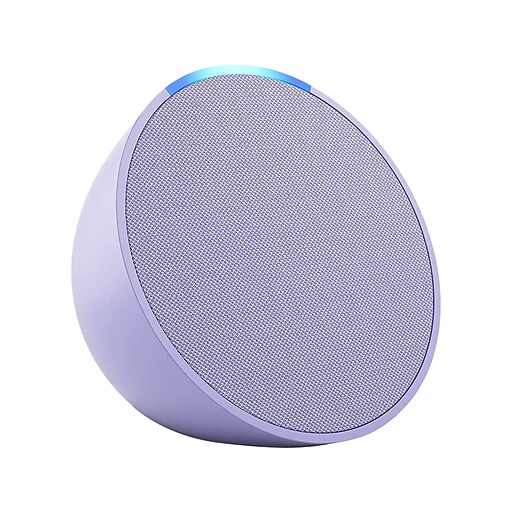
- Choose Alexa if you want the widest device compatibility and cheapest entry point (the Echo Pop is $79)
- Choose Google Home if voice accuracy and natural language matter most
- Choose Apple HomePod if you're deeply invested in the Apple ecosystem and value privacy
Read on for the detailed comparison across 10 key dimensions.
Round 1: Entry Price in Australia
| Ecosystem | Cheapest Speaker | Price (AUD) |
|---|---|---|
| Amazon Alexa | Echo Pop | $79 |
| Google Home | Nest Mini | $79 |
| Apple HomePod | HomePod mini | $149 |
Winner: Alexa and Google tie. Both offer a $79 entry point. Apple's HomePod mini is almost double the price, making it harder to build a multi-room system affordably.
Round 2: Premium Speaker Sound Quality
| Ecosystem | Premium Speaker | Price (AUD) | Audio Features |
|---|---|---|---|
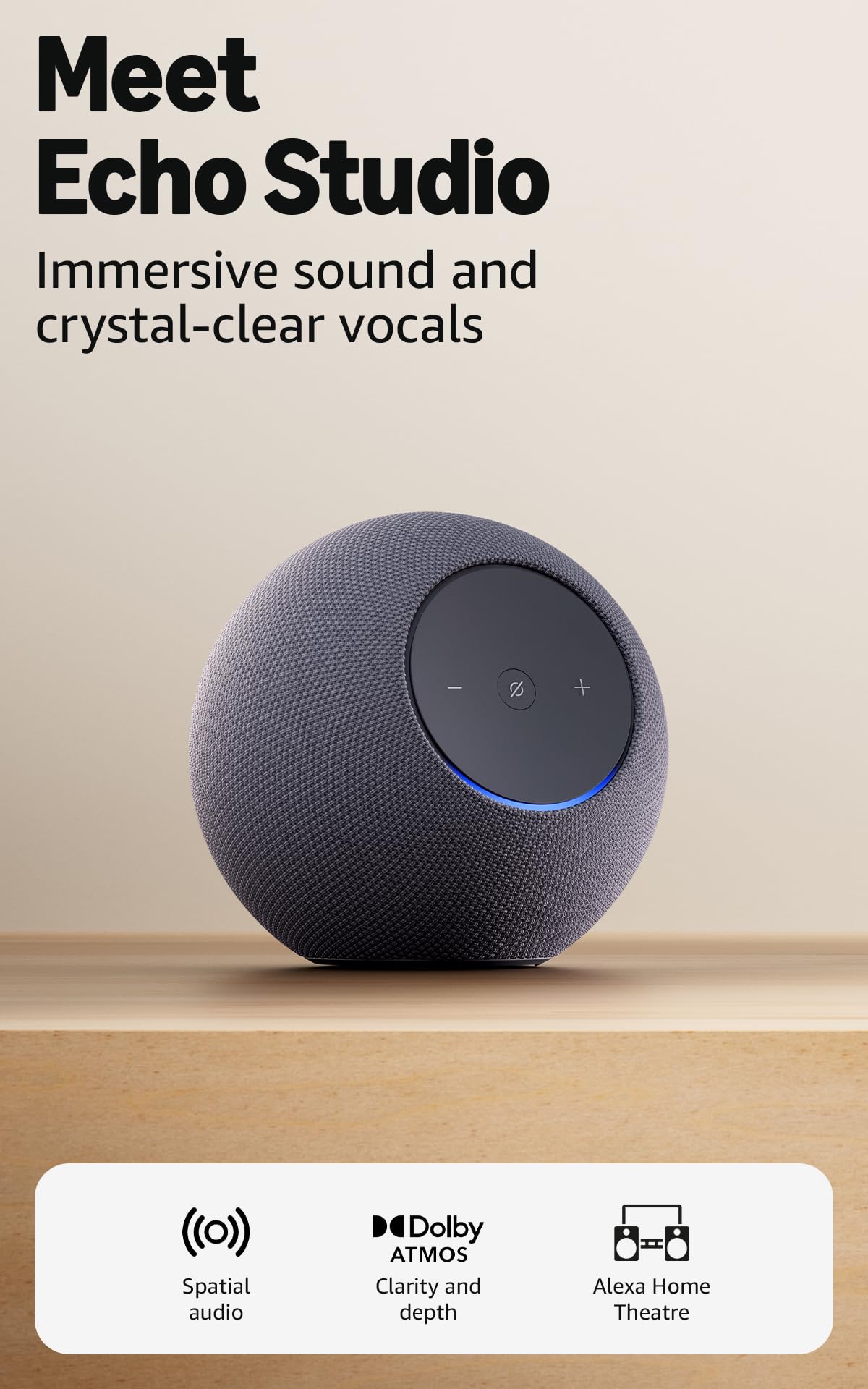
| Amazon Alexa | Echo Studio 2nd Gen | $339 | Dolby Atmos, room calibration, Zigbee hub |
| Google Home | Nest Audio | $149 (older) | Stereo pair supported, smart EQ |
| Apple HomePod | HomePod 2nd Gen | $479 | Spatial audio, computational audio, 360° sound |
Winner: Apple HomePod. The HomePod 2nd gen sounds noticeably better than the Echo Studio or Nest Audio. Google's premium speaker line hasn't been refreshed recently. However, the Echo Studio offers the best value per dollar at $339.
Round 3: Voice Recognition (Australian Accents)
This is where things get interesting. We tested all three with a mix of Australian accents — from broad Aussie slang to more neutral speakers:
- Alexa — Good. Understands most Australian accents after initial setup. Occasionally mishears place names.
- Google Assistant — Best. Natural language processing excels with Australian accents. Handles "can you turn on the...uhh...kitchen light?" style natural speech better than competitors.
- Siri (HomeKit) — Good. Recent improvements make it comparable to Alexa for Australian English. Still struggles with follow-up questions.
Winner: Google Assistant. It's the smartest of the three, period.
Round 4: Device Compatibility in Australia
| Compatibility | Alexa | Google Home | Apple HomeKit |
|---|---|---|---|
| Smart lights | 1000+ brands | 800+ brands | 300+ brands |
| Smart locks | Most major brands | Most major brands | Limited selection |
| Robot vacuums | Nearly universal | Nearly universal | Few brands |
| Security cameras | Widest selection | Wide selection | HomeKit Secure Video requires iCloud+ |
| Smart plugs | Widest selection | Wide selection | Limited selection |
| Australian-specific devices | Best support | Good support | Limited support |
Winner: Alexa. Every major smart home brand in Australia supports Alexa. Apple HomeKit's strict certification requirements mean fewer devices.
Round 5: Smart Home Routines / Automations
Building automations (e.g., "when I say goodnight, turn off all lights and lock the door") differs significantly:
- Alexa Routines — Powerful, easy to set up, supports time-based, voice-triggered, motion-triggered, and device-state-triggered routines
- Google Home Routines — Similar power to Alexa but cleaner interface. Handles "household routines" (different responses for different family members)
- Apple Home Automations — Most powerful on paper, with per-person geofencing. Interface is less intuitive.
Winner: Google Home for ease of use. Apple wins on raw capability if you can navigate the interface.
Round 6: Music and Streaming in Australia
Alexa Music Support: - **Amazon Music** (best integration, bundled with Prime) - Spotify, Apple Music, Tidal, Deezer all supported - Australian radio: ABC, 2GB, Triple M, Nova via TuneIn
Google Home Music Support: - **YouTube Music** (best integration, natural language: *"Play that song from Stranger Things"* works) - Spotify, Apple Music, Deezer supported - Australian radio: iHeartRadio, ABC, commercial stations
Apple HomePod Music Support: - **Apple Music** (native lossless/Dolby Atmos streaming) - Spotify via AirPlay (no native voice control) - Limited Australian radio options - TuneIn not supported for voice control
Winner: Alexa for broadest support. HomePod for sheer audio quality if you use Apple Music.
Round 7: Privacy
This has become increasingly important:
- Alexa — Recordings go to Amazon servers. You can review and delete. Recently added local processing for some commands.
- Google Home — Similar to Alexa. Google promises not to use recordings for advertising but data flows to Google.
- Apple HomeKit — Voice processing happens on-device where possible. Only commands requiring server access are sent. Identifiers are randomised.
Winner: Apple HomeKit by a significant margin for privacy-conscious users.
Round 8: Multi-Room Audio
All three support whole-home audio, but with different strengths:
- Alexa — Robust multi-room groups via Alexa app. *"Play music everywhere"* just works. Supports mixed Echo models.
- Google Home — Excellent multi-room grouping. Chromecast integration means any Chromecast-supporting device can join.
- Apple HomePod — AirPlay 2 multi-room works beautifully within Apple. Very responsive but locked to Apple devices as source.
Winner: Tie between Alexa and Google for flexibility. Apple wins within its ecosystem with the smoothest experience.
Round 9: Smart Displays (Speakers with Screens)
| Ecosystem | Smart Display | Price | Best Feature |
|---|---|---|---|
| Amazon Alexa | Echo Show 8 / 10 / 15 | $189-$409 | Full Alexa skills + video calls |
| Google Home | Nest Hub (2nd gen) | $129 | Sleep sensing, beautiful photo frame |
| Apple HomePod | None (there's no Apple smart display) | N/A | N/A |
Winner: Alexa for selection. Google wins for single best device (Nest Hub). Apple is absent from this category entirely.
Round 10: Future-Proofing (Matter Support)
Matter is the new smart home standard backed by all three companies. Progress in 2026:
- Alexa — Matter support on Echo 4th gen, Echo Show 8/10, Echo Hub. Growing device support.
- Google Home — Matter support on Nest Hub (2nd gen), Nest Wi-Fi Pro. Strong commitment.
- Apple HomeKit — Thread + Matter built into HomePod mini, HomePod 2, Apple TV 4K. Strong commitment.
Winner: Tie. All three are heavily invested. Matter-compatible devices will work cross-ecosystem eventually.
Overall Scorecard
| Category | Alexa | Apple | |
|---|---|---|---|
| Entry price | 🥇 | 🥇 | 🥉 |
| Premium audio | 🥉 | 🥈 | 🥇 |
| Voice recognition | 🥈 | 🥇 | 🥉 |
| Device compatibility | 🥇 | 🥈 | 🥉 |
| Routines/automations | 🥈 | 🥇 | 🥈 |
| Music/streaming | 🥇 | 🥈 | 🥈 |
| Privacy | 🥉 | 🥉 | 🥇 |
| Multi-room audio | 🥇 | 🥇 | 🥈 |
| Smart displays | 🥇 | 🥈 | ❌ |
| Matter/future | 🥇 | 🥇 | 🥇 |
Which Should You Choose?
Go With Alexa If... - You want the cheapest entry point ($79 Echo Pop) - You want the widest device compatibility in Australia - You have Amazon Prime and use Amazon Music - You want the most smart displays to choose from - You have a mix of Android and iPhone users in the house
Our pick for most Australians. See our best smart speakers in Australia for Echo recommendations.
Go With Google Home If... - You use Android phones exclusively - You rely heavily on Google services (Calendar, Maps, Gmail) - Voice accuracy is your top priority - You want the best single smart display (Nest Hub) - You listen to YouTube Music
Go With Apple HomePod If... - Your household is all iPhone/Mac users - Privacy is a major concern - You're an Apple Music subscriber - You want the best audio quality per speaker - You don't mind a higher entry cost ($149 for HomePod mini)
Can You Mix Ecosystems?
Yes, but carefully. Here's what works:
- Sonos speakers support all three ecosystems — you can have a Sonos Era 300 in the living room with Alexa Echo Dots in bedrooms
- AirPlay 2 speakers can be controlled by iOS devices even if they're not from Apple
- Matter-compatible devices are designed for cross-ecosystem use
What doesn't work well: - Running Alexa and Google routines on the same devices (pick one "primary" controller) - Using HomeKit and Alexa for the same smart lights (they'll argue about states)
Our advice: Pick one primary ecosystem and use others only for specific devices that require them (e.g., an Apple TV for Apple HomeKit).
Final Recommendation
For 90% of Australian households starting fresh in 2026, Amazon Alexa is the right choice. It's affordable, flexible, and supports every smart home device you're likely to encounter in Australia.
If you're already invested in Apple (iPhone + Mac + iCloud+ subscription), go with HomePod. The privacy and integration benefits are worth it.
If you're heavily into Google services and value voice accuracy, go with Google Home. The Nest Hub is a compelling starting point.
Still unsure? Read our full smart home speaker systems guide for Australia or browse our ranked list of best smart speakers to see specific product recommendations.