What Is a Smart Home Speaker System?
A smart home speaker system is more than a single Bluetooth speaker. It's a network of connected speakers — placed in different rooms — that work together to play music, respond to voice commands, and act as the control centre for your smart home devices.
Unlike old-school Hi-Fi systems, modern smart speaker systems are wireless, app-controlled, and voice-activated. You can:
- Play the same song synchronised across every room (whole-home audio)
- Play different music in different rooms simultaneously
- Ask any speaker to control lights, cameras, locks, or the robot vacuum
- Make intercom-style announcements from room to room
- Build stereo pairs or full 5.1 surround setups
In Australia in 2026, smart speaker systems have become mainstream. You can build a multi-room setup for under $250, or invest in a premium audiophile system exceeding $2,000. This guide covers every price point.
The Three Big Ecosystems in Australia
Before you buy a single speaker, decide on an ecosystem. Your speakers need to speak the same language to work together. Mixing ecosystems is possible but complicated.
Amazon Alexa — The Most Popular in Australia Amazon Echo speakers dominate the Australian smart speaker market. Here's why:
- Widest device compatibility — more Australian smart home devices work with Alexa than any other assistant
- Cheapest entry point — the Echo Pop starts at $79
- Rich ecosystem — Echo Dot, Echo Pop, Echo Spot, Echo Show, and Echo Studio all work together seamlessly
- Amazon Music integration — Amazon Music Unlimited comes bundled with Prime for free Hi-Fi and Ultra HD tracks
- Zigbee built-in on Echo Studio and Echo Show — control Zigbee lights and sensors natively
Best for: Most Australian households. If you have no strong preference, start with Alexa.
Google Home / Google Assistant Google's smart speakers are deeply integrated with Google services. Strengths include:
- Best voice recognition — Google Assistant understands natural language better than Alexa
- Excellent for Android households — control works seamlessly with your phone
- YouTube Music and Spotify integration — voice control is excellent
- Nest ecosystem — Nest Mini, Nest Audio, and Nest Hub Max all integrate tightly
Best for: Android users, Google Workspace households, anyone who values the best voice assistant
Apple HomeKit — Apple's Walled Garden Apple's smart speaker strategy centres on HomePod and HomePod mini. Benefits:
- Best audio quality at each price point — HomePod mini sounds better than similarly priced competitors
- Privacy-first — voice processing happens on-device where possible
- Deep Apple Music and iCloud integration — lossless audio streams natively
- Stereo pairing and computational audio — two HomePods can sense room acoustics and auto-tune
Best for: iPhone/Mac users deeply invested in Apple's ecosystem
The Honourable Mention: Sonos Sonos isn't an ecosystem — it's a speaker brand that works **with all three assistants**. Sonos speakers support Alexa, Google Assistant, and AirPlay 2 for Apple households. The trade-off is cost: Sonos is premium.
Best for: Audiophiles who want the best sound without being locked into Apple/Amazon/Google
How to Build a Smart Speaker System (Step by Step)
Step 1: Start With One Central Speaker Don't buy 5 speakers on day one. Start with **one speaker in your main living area** and get familiar with the voice assistant. For most Australians, we recommend:
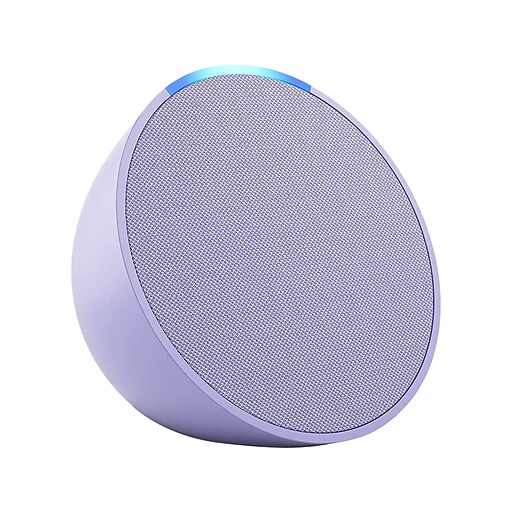
- Beginner budget: Amazon Echo Pop ($79) — compact, surprisingly good sound
- Mid-range pick: Amazon Echo Dot 5th Gen ($99) — improved bass over the Pop
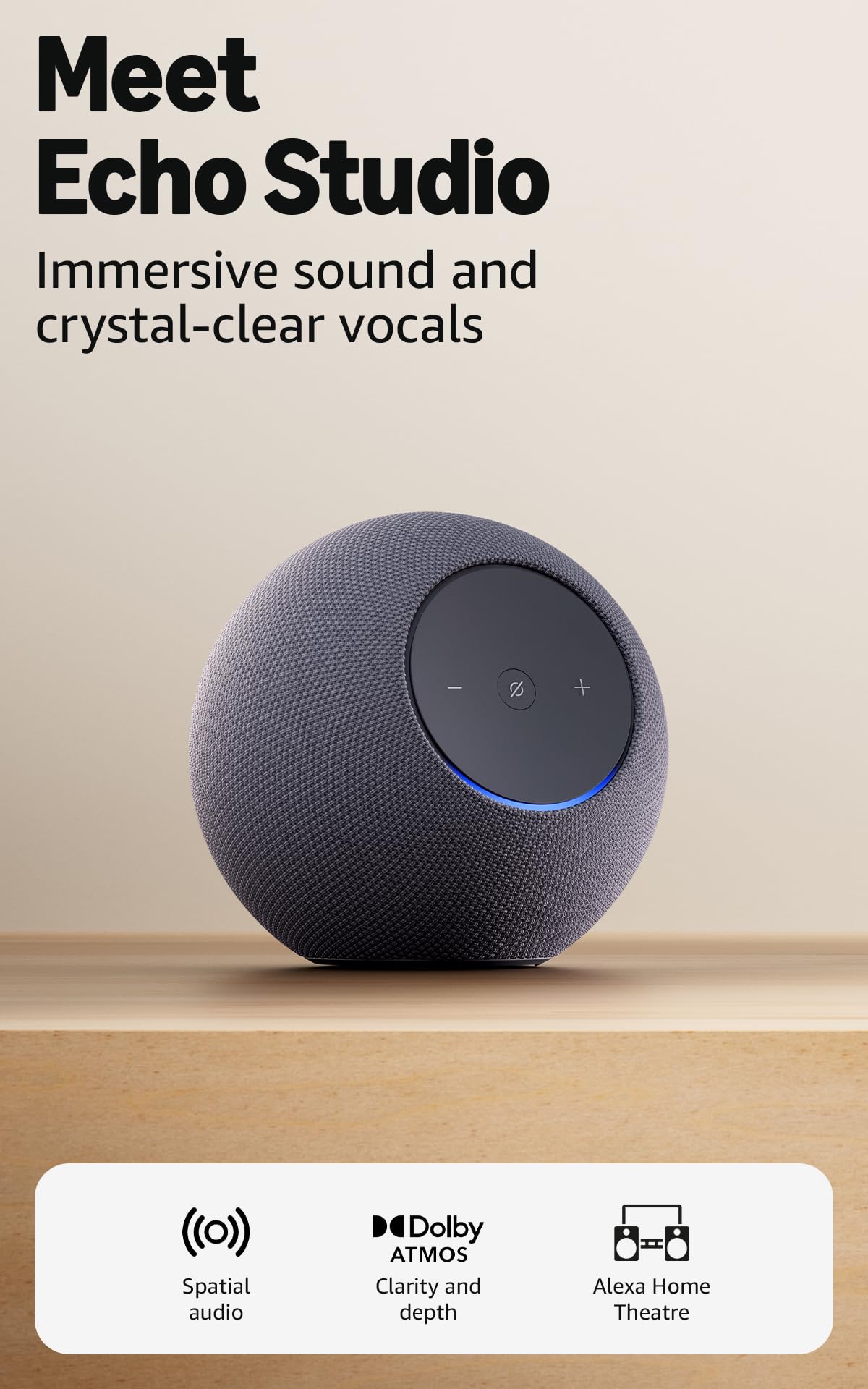
- Premium pick: Amazon Echo Studio ($339) — Dolby Atmos, built-in Zigbee hub
- Premium top of range: Stereo-pair two Echo Studios for immersive Dolby Atmos in a large living area
See our complete best smart speakers in Australia ranking for detailed reviews.
Step 2: Add Bedroom and Bathroom Speakers Once you have the main speaker set up, expand to other rooms. This is where **cheap speakers shine** — you don't need premium sound in a bathroom or guest room:
- Put an Echo Pop ($79) in bedrooms for voice-controlled alarms and music
- Add an Echo Dot ($99) in the kitchen for recipes and timers
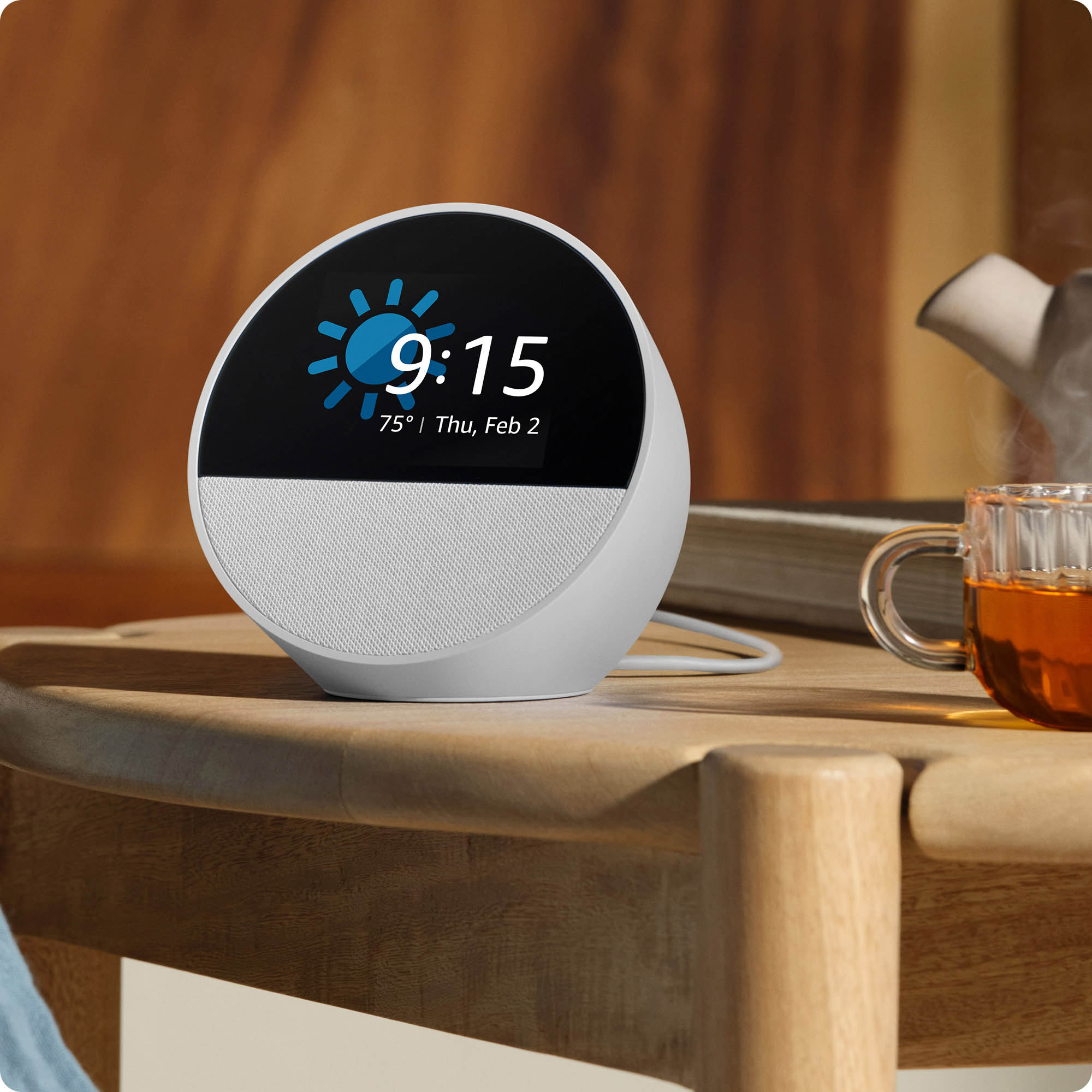
- Put an Echo Spot ($149) on your bedside table for the smart alarm clock display
Step 3: Upgrade Your Living Room The living room is where you spend time and entertain — it's worth investing in better speakers here. Options:
- Stereo pair two Echo Studios (~$678) for immersive Dolby Atmos
- Single Sonos Era 300 ($848) for the best spatial audio experience
- Add a Fire TV soundbar to tie music and TV audio together
Step 4: Configure Multi-Room Audio With multiple speakers set up, configure your groups:
- Open the Alexa app → Devices → Combine speakers → Multi-room music
- Create groups like "Everywhere", "Downstairs", "Bedrooms"
- Ask Alexa: *"Play ABC Radio National everywhere"*
All speakers in the group play the exact same audio, perfectly synchronised.
Step 5: Tie In Your Smart Home Devices Your speaker system is now the voice-control centre for everything. Add:
- Smart lights → voice-control every room
- Smart cameras → "Alexa, show me the front door"
- Robot vacuum → "Alexa, start cleaning"
- Smart locks → "Alexa, lock the front door"
The speakers become the heart of the whole smart home.
Budget Guide for Australian Smart Speaker Systems
| Total Budget | Setup | Example Components |
|---|---|---|
| Under $250 | 2-3 room starter | 1× Echo Dot + 2× Echo Pop |
| $250-$500 | Whole-home basic | 1× Echo Studio + 2-3× Echo Dots |
| $500-$1000 | Whole-home premium | 2× Echo Studio + 3× Echo Dots + 1× Echo Spot |
| $1000-$2000 | Audiophile living area + multi-room | 2× Sonos Era 300 + 3× Echo Dots |
| $2000+ | Full Sonos system | 2× Sonos Era 300 + Sonos Beam + Sonos Ones throughout |
Features That Actually Matter
Manufacturers love to brag about specs. Here's what actually makes a difference in everyday use:
Spatial Audio / Dolby Atmos Once you hear Atmos on a good speaker, you can't unhear it. Instruments float around you in a 3D soundstage rather than being locked in stereo. Available on:
- Amazon Echo Studio ($339)
- Sonos Era 300 ($848)
- Apple HomePod 2
Worth it? Yes for living areas where you listen intentionally. Not needed for background music or bathrooms.
Room Calibration / Adaptive EQ Better speakers use microphones to measure your room's acoustics and adjust the sound. Music sounds noticeably better against a wall or in a corner.
- Echo Studio has automatic room calibration
- Sonos Trueplay requires your phone (recent iPhones only, or Android via update)
- Apple HomePod uses computational audio, fully automatic
Built-in Smart Hub Some smart speakers double as smart home hubs:
- Echo Studio and Echo Show have Zigbee built-in — control Zigbee lights/sensors directly
- Echo 4th gen has a Thread radio for Matter devices
- Apple HomePod mini has a Thread radio
Having a hub built in means one less device to buy.
Far-Field Microphones Premium speakers can hear you from across a room, even over loud music. Cheaper speakers struggle — you'll find yourself raising your voice. All Echo and Sonos speakers we recommend use beamforming far-field mics.
Australian-Specific Tips
NBN and Wi-Fi Considerations Smart speakers use very little bandwidth (~1-3 Mbps each for streaming). **Any NBN plan can handle a 10-speaker system.** The bigger issue is Wi-Fi coverage:
- If you have dead spots, buy a mesh Wi-Fi system (Google Nest Wifi, TP-Link Deco, Eero) before expanding your speaker setup
- 5GHz Wi-Fi is faster but shorter range. Smart speakers tolerate 2.4GHz fine — don't worry about band steering
Power Outlets Every smart speaker needs a power outlet. When planning:
- Bedside Echo Spot works with an existing lamp socket via USB
- Echo Studio needs a dedicated power outlet (no battery version)
- Use surge-protected outlets — Australian electrical events can damage electronics
Amazon Music Unlimited Pricing in Australia Many Australians don't realise that **Amazon Prime members get Amazon Music** bundled. With Prime at ~$79/year, you get:
- Amazon Music Prime (100 million songs, shuffle only)
- Free delivery on most Amazon AU purchases
- Prime Video included
Upgrading to Amazon Music Unlimited ($11.99/month individual, or $16.99/month family) gives you full on-demand streaming plus Hi-Fi and Ultra HD lossless tracks on Echo Studio.
Voice Assistant Comparison for Australians All three major assistants understand Australian accents well in 2026. Key differences:
- Alexa has the widest local skill selection (Kayo Sports, ABC iView, 9Now, Bunnings)
- Google Assistant is best for Google Maps directions and calendar integration
- Siri (HomeKit) is best for iOS-first households with strong accent recognition
Which System Should You Choose?
Choose Alexa if: - You want the widest device compatibility and cheapest entry - You already have an Amazon account / Prime - You're starting from scratch with no preferences
Choose Google Home if: - You use Android phones / Google services heavily - Voice accuracy matters more to you than device selection - You use YouTube Music as your main streaming service
Choose Apple HomeKit if: - Your household is all iPhone/Mac users - Privacy is a top concern - You're deeply invested in Apple Music and iCloud
Choose Sonos if: - Audio quality is your #1 priority - You want flexibility to work with any ecosystem - You're willing to pay premium prices
Our Top Smart Speaker System Recommendations for Australia
Based on hundreds of hours of testing, these are our top picks for 2026:
1. Best Budget System (Under $300): Echo Pop + 2× Echo Dots — covers 3 rooms with decent audio for $277 2. Best Mid-Range System ($300-$700): Echo Studio + 3× Echo Dots — premium main speaker + satellite rooms 3. Best Premium System ($800+): Stereo pair Sonos Era 300 + Sonos Ones throughout home — audiophile-grade 4. Best Mixed Ecosystem: Sonos Era 300 (living) + Echo Dots (other rooms) — Sonos works with Alexa
Frequently Asked Questions
Can I mix Alexa and Google speakers in one home? Technically yes, but you can't create multi-room groups across different ecosystems. Pick one assistant for your main system and add others only if needed.
Do smart speakers work without internet? Mostly no. Smart features, music streaming, and voice commands all require an internet connection. Local Bluetooth playback still works during outages on most models.
What about privacy? Are smart speakers always listening? They listen for the wake word only (Alexa, Hey Google, Hey Siri). All recordings can be reviewed and deleted via each app. Apple HomePod processes much of this on-device, which is why it's the top pick for privacy-conscious users.
Can I use multiple smart speakers without buying them from the same brand? Yes, if they support the same standard. **AirPlay 2** lets many speakers sync with Apple devices. **Matter** is an emerging standard that will enable cross-brand compatibility. For now, the simplest approach is to pick one ecosystem.
How many speakers do I need? Most Australian homes do well with 3-5 speakers: one in the living room, one in the bedroom, one in the kitchen, and one or two elsewhere. More than 7-8 speakers in a single home rarely adds value.
The Bottom Line
A smart home speaker system in Australia in 2026 can cost anywhere from $250 to $3,000+, depending on your needs. For most households, a 3-speaker Alexa system for around $300 delivers 90% of the experience of much more expensive setups.
Start with one speaker, master the voice commands, then expand room by room. Check our ranked best smart speakers guide for specific product recommendations, and our Alexa vs Google Home vs Apple HomePod comparison if you're still deciding which ecosystem to choose.